
LEARN

Where the Need Is Greatest
Across India and the surrounding region live hundreds of millions of people — one of the most densely populated and least-reached parts of the world. It's a place of ancient faiths, deep culture, and countless communities where the message of Jesus has never taken root. We exist to change that. Not by sending outsiders in, but by standing behind the men and women who already call this region home.
The Work
The most effective missionaries here are local. They speak the language, understand the culture, and carry the gospel into villages and cities no foreigner could easily reach. Across the region, indigenous leaders are planting churches, discipling new believers, and raising up the next generation of local pastors — often in places that have never had a church before. Our role is to come alongside them: to provide the training, resources, and steady support that let them do what they do best, right where they are.
This model lasts. National workers reach further, stay longer, and build something durable — churches led by local believers, rooted in their own communities, able to keep going long after any one leader is gone.
The Challenges
This work carries real cost. In many states, laws restrict or outright criminalize religious conversion. A pastor may preach freely inside his own church, yet sharing his faith on the street can bring arrest. In some regions, simply housing a visiting worker can carry a prison sentence. Believers face social pressure, the loss of family and livelihood, and in places, genuine violence — homes and churches destroyed, families driven out, lives threatened.
Because of this, discretion isn't optional. The people we support take real risks to follow and proclaim their faith, and protecting their identities is a matter of their safety and freedom. You'll notice we don't publish names, faces, or precise locations. That's intentional — it's how we keep the people on the ground safe while still telling the truth about what's happening.
Why It Matters Now
The window for this work is open, but it won't necessarily stay that way. Restrictions are tightening across the region year by year. Every season that local churches can be planted and strengthened is a season that builds something lasting — a community of faith able to endure whatever comes next.
You don't have to board a plane or learn a new language to be part of this. By partnering with us, you help equip the people who are already there, already willing, and already doing the work — and you help carry hope into places that have waited a very long time to receive it.
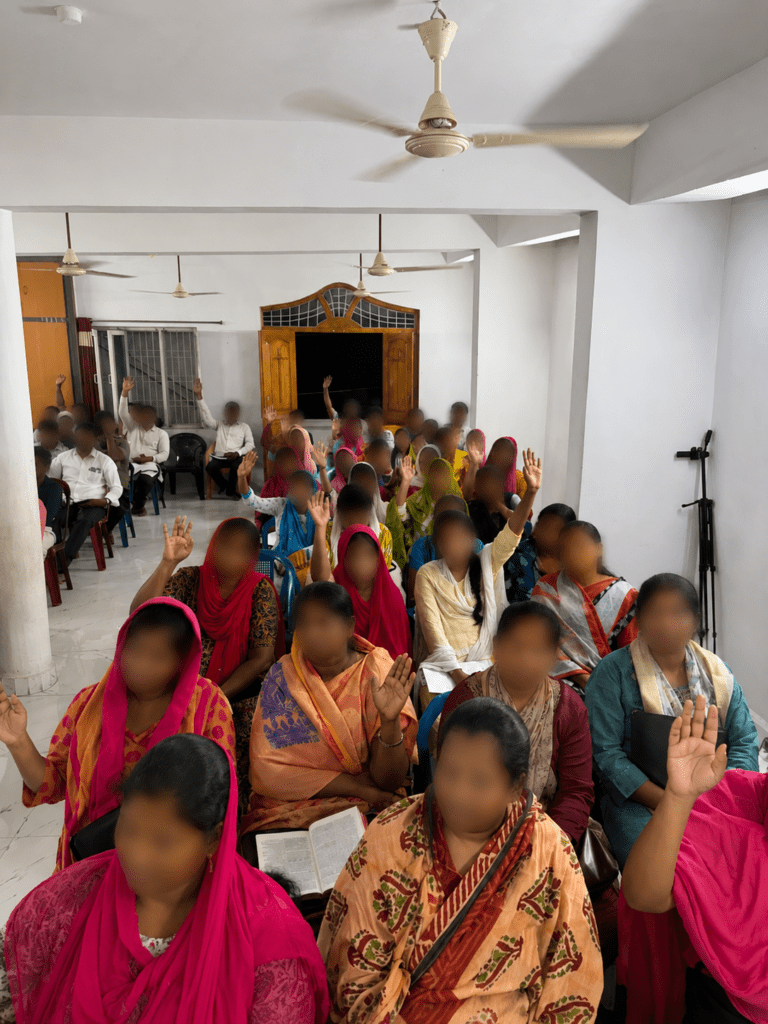


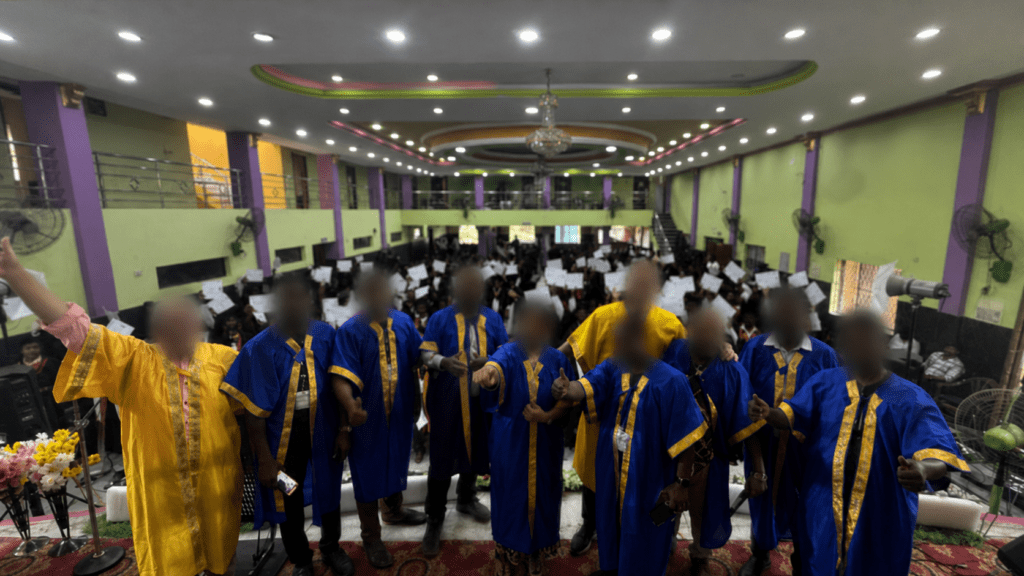


Where the Gospel Is Multiplying
Indigenous leaders are planting churches that plant churches across South Asia. For their safety, identities are never shown — only the regions where the work is taking place.
How We Count What's Happening
When you give to a ministry, you deserve to know whether it's actually working. Here's how we measure the impact of your partnership — and why you can trust the numbers we share.
We report what our own leaders see
Every 4 Seconds supports local church-planting leaders on the ground. Those leaders each have others working alongside and beneath them, reaching their own communities. The figures we share come directly from these leaders' own reporting — what they personally witness in the villages and neighborhoods where they live and serve. We don't borrow numbers from other organizations or inflate our reach by claiming work that isn't ours.
We follow the whole journey, not just one moment
Reaching a community is a process, and we track each step of it: the gospel being shared for the first time, a person deciding to follow Jesus, that decision being made public through baptism, a small house church forming, and — over time — that church starting churches of its own. This last step matters most. The goal was never a single gathering, but a movement that keeps growing long after it begins.
Why we count baptisms carefully
You'll notice we treat decisions of faith and baptisms as two different things — and we lead with baptisms, even though they're the smaller number. There's a reason.
In the places we serve, deciding to follow Jesus is private. Being baptized is public — and public faith can cost a person their family, their job, even their safety. Baptism is the moment a believer's choice becomes visible to everyone around them. Because it carries real risk, it's the most honest measure of genuine commitment we have. We'd rather show you the harder, truer number than the bigger, easier one.
We'd rather understate than overstate
This is a promise we made from day one: we will never report a number we can't verify, and when we're unsure, we round down, not up. Trust is built slowly and lost instantly — so we'd always rather tell you less and have it be true than tell you more and have it be doubted. When we share a figure with you, you can take it to the bank.
What Your Partnership Makes Possible
Supporting this work isn't abstract — it translates directly into people equipped and churches established. Your partnership helps train local leaders who are ready to serve but lack the resources to begin. It puts study materials, teaching tools, and practical support into the hands of pastors working in places with almost nothing. It helps a new church find its footing in its earliest, most fragile months, and it sustains the workers who give their lives to this calling so they can keep going rather than burn out or turn back.
Because the work is led by people who already live where they serve, support stretches remarkably far. There are no expensive relocations, no long-term foreign overhead — just direct investment in capable people doing the work on the ground. Every gift strengthens a network of local leaders who multiply that investment many times over, reaching communities that no outside organization could enter on its own.
Lives Being Changed
Behind the strategy and the maps are real people whose lives are being remade. Individuals who had never once heard the name of Jesus are becoming followers and, in time, leaders themselves. New believers who began as students go on to plant churches of their own. Families that lost everything for their faith find a new community that stands with them. Even some who once opposed this work — sometimes fiercely — have come to share it, a reminder that no one is beyond the reach of grace.
These transformations rarely make headlines, and for the safety of those involved, they often can't be told in detail. But they are happening steadily, community by community, in places long considered closed. What looks from the outside like impossible ground is, quietly and at great cost, becoming fertile. That is the work you make possible — not a program, but a movement of changed lives carried forward by the very people it has changed.